Headlight Restoration – When Polishing Makes a Difference
Learn why headlights become cloudy and when professional restoration can bring back clarity.
Headlights gradually lose clarity due to UV exposure, weather conditions and surface oxidation. A cloudy lens does not only affect the appearance of the vehicle but can also reduce the effectiveness of the lights.
Why do headlights become cloudy?
Modern headlight lenses are usually made from polycarbonate and protected by a factory coating. Over time, this protective layer deteriorates and the surface begins to oxidize, fade and lose transparency.
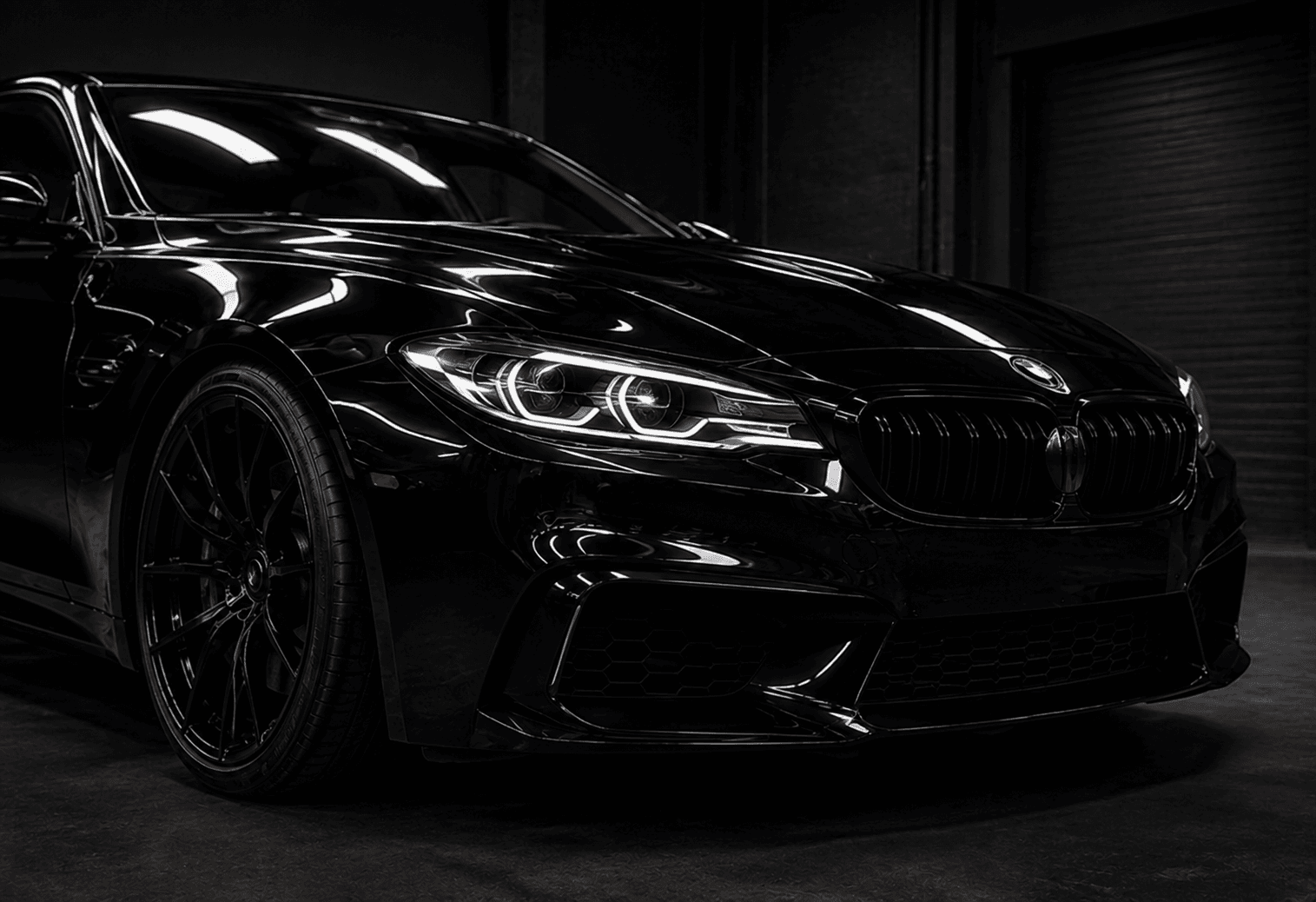
What does restoration involve?
- cleaning and preparing the lens
- controlled sanding when required
- multi-stage polishing
- removing oxidation and surface defects
- applying suitable protection afterwards
Can every headlight be restored?
Surface oxidation and light scratches can often be significantly improved. Damage inside the headlight, deep cracks or severe deterioration may require replacement rather than polishing.
Why is protection important afterwards?
Polishing removes the damaged outer layer, which means the restored surface should be protected from renewed UV exposure. Without protection, cloudiness can return much sooner.
Conclusion
Professional headlight restoration can significantly improve both appearance and clarity when the damage is primarily on the outer surface of the lens.

READY FOR YOUR CAR TO SHINE?